
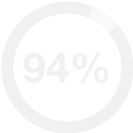
 Success Rate:
Read Now
Success Rate:
Read Now
Success Rate:
Read Now
Success Rate:
Read Now
Get a deeper understanding of ketamine addiction and abuse symptoms and learn all you need to know, from what to expect to the types of treatments.

Ketamine works as a fast-acting general anaesthetic in both human and veterinary medicine. It blocks pain signals in the brain while causing temporary memory loss during procedures. Medical researchers are now exploring its potential for treating depression and suicidal thoughts.
Beyond hospitals, ketamine has found an illicit purpose. Users seek its dissociative effects—the numbness, distorted sensory perceptions, and hallucinogenic properties that create a feeling of detachment known as “falling into a K-hole.” The grainy white powder gets snorted, injected, mixed into drinks, or smoked. Its presence at parties and clubs has grown, particularly among young people. Sometimes it’s sold as ecstasy. Worse, predators use it as a date rape drug. A 2011 Ontario survey found nearly 1% of students in grades seven through 12 had tried it within the previous year.
The high from ketamine differs from other substances, but its impact on brain chemistry can trigger physical dependence. Addiction follows thereafter. The Canadian Centre for Addiction provides specialized ketamine treatment and rehab services throughout Ontario.
At the Canadian Centre for Addictions, we take pride in our rehab accreditation, which ensures that our services meet the highest standards of care, providing you with effective and safe treatment.
Through our work alongside Accreditations Canada, we have earned the seal of approval from one of the largest and most respected organizations in health and patient care. They proudly endorse Canadian Centre for Addictions and we proudly carry their certification as a promise of quality care to our clients.
As a premier and professional rehabilitation facility, we are recognized as a top business in our field by the Better Business Bureau. Our dedication to operating as a legitimate and honest addiction treatment center helps us stand out to our community and those we wish to help.
As a member of this respected Canadian organization, we are part of a community of leaders in addiction specialists who put clients first. This helps us stay on top of trends and be a part of a movement of passionate professionals who truly want to make patient care a priority.
Freedom from addiction requires a continued connection to recovery. Our addiction centres offer aftercare addiction services accessible to all program graduates for life and available anywhere in North America. Canadian Centre for Addictions’s Lifetime Aftercare is an important tool that helps you maintain your new healthy life.

Knowing that you’re not alone is a crucial aspect of the journey to authentic addiction recovery. Group Counselling and Therapy is one of the many levels of addiction treatment care that can help people connect more directly with their addiction and the support needed to transition to the best version of yourself.

Canadian Centre for Addictions’s rehab centres help individuals understand their addiction and the healthier coping strategies available by engaging them in individual counselling with our Certified Addiction Counselors, Psychotherapists and other Mental Health Professionals.

Canadian Centre for Addictions’ inpatient rehab facilities in Cobourg, Ontario offer a safe, comfortable, 24/7, Medically Supervised Program that provides all of the professional addiction services needed to guide you to a healthy recovery. Providing Withdrawal Management and Detox Services as well as one-on-one Group Therapy treatments by Certified Addiction and Mental Health professionals. Canadian Centre for Addictions will explore many different treatment modalities to help develop and cultivate the tools needed to address and process the underlying issues that led to addiction in the first place.

Having a loved one who refuses to acknowledge their addiction or is in denial about it entirely can leave the family feeling helpless. Canadian Centre for Addictions offers Intervention Counselling from trained addiction professionals who will provide the coaching and facilitation necessary to have your loved one accept addiction help that will change their life.

Working one on one with a Certified Addictions Professional, Canadian Centre for Addictions’s addiction rehab programs explore outpatient treatment modalities that best resonate with you to develop healthier coping mechanisms that will address the underlying issues that led to addiction.

Multiple forces shape both how ketamine addiction takes hold and how effectively treatment works. Each person brings a unique combination of circumstances that treatment professionals must address individually.

If you’re going through a tough time with ketamine addiction, you don’t have to face it alone. Our Luxury Rehab Centres in Port Hope and Cobourg, Ontario, are quiet, comfortable places where you can take a real break and start fresh. Both locations support people seeking fentanyl rehab, with discreet intake, medical oversight, and a plan tailored to your goals.
In Port Hope, our private rehab centre feels more like a peaceful retreat. Every room has calming lake views, a fireplace, and multiple decks to relax on. It’s a space to breathe, slow down, and focus on getting better. Alongside fresh, 5-star meals prepared by our chef, you’ll have access to on-site clinicians who understand stimulant withdrawal—fatigue, low mood, sleep disruption—and how to manage it safely.
Over in Cobourg, the vibe is just as warm and welcoming. It’s a place where you’ll be supported by people who truly care. We’re here to listen, guide you, and help you feel more like yourself again. Your care may include cognitive behavioural therapy, motivational interviewing, and contingency management—approaches shown to help with fentanyl abuse.
Each rehab treatment program includes one-to-one therapy, small group work, family support when helpful, and a relapse-prevention plan you can actually use at home. We also coordinate gradual return-to-work strategies for people with ketamine addiction, boundary setting, and healthy routines, so you leave with tools that last. And when you’re ready to step down, we help you transition to aftercare and community supports, ensuring the next part of your recovery is steady, informed, and supported.
Ketamine withdrawal presents primarily psychological challenges. Physical symptoms remain relatively mild compared to alcohol or benzodiazepines, though the mental health impact requires serious attention. Symptoms typically surface within 24-72 hours after last use.

Mental health symptoms create the primary obstacles during cessation. These may include:
Research shows physical symptoms occur less frequently than psychological ones but require monitoring:
Days 1-3: Cravings emerge first. Anxiety and restlessness intensify. Physical symptoms peak. Depression begins.
Days 4-14: Physical discomfort decreases while psychological symptoms persist or worsen. Depression reaches maximum severity. Highest relapse risk period.
Days 15-30: Acute symptoms stabilize. Mood begins improving with treatment support.
Beyond 30 Days: Heavy users may experience lingering depression, intermittent cravings, and cognitive problems for 2-6 months.
Severity depends on usage duration, daily dosage, polydrug combinations, pre-existing mental health conditions, and support systems available.
Did not show improvement after
The Canadian Centre for Addictions
Program
Presented in Normal ranges at start
of The Canadian Centre for Addictions
Program
Showed significant improvement after
The Canadian Centre for Addictions
Program
Yes, ketamine creates psychological dependence with intense cravings and compulsive use patterns. Your brain’s reward pathways adapt to ketamine’s effects, creating dependency. At our Ontario facilities in Port Hope and Cobourg, people with substance use histories face higher addiction risks even when prescribed medical ketamine for depression.
Ketamine withdrawal symptoms begin within 24-72 hours after your last use and peak during days 4-14. Physical symptoms usually resolve within two weeks, but psychological symptoms—particularly depression and cravings—can persist for 2-6 months in heavy users. Timelines vary based on usage duration, daily dosage, and individual factors.
Home detox carries serious risks. The main danger: severe depression during withdrawal can trigger suicidal thoughts. Our medically supervised detox programs at Hillcrest Mansion in Port Hope and Woodlawn Inn in Cobourg provide 24-hour monitoring from our three physicians and medical team, medications to manage symptoms, and professional support preventing relapse.
Medical ketamine involves precise dosing (0.5-0.8 mg/kg) under continuous monitoring for treating depression or providing anesthesia. Street ketamine involves unknown purity, inconsistent dosing, contamination with other substances, and unsupervised use in risky environments. Recreational users often consume much higher doses seeking dissociative effects, increasing overdose risk and addiction likelihood.
Programs available: 30, 45, 60, 75, and 90-day residential treatment. Medical detox typically runs 5-10 days, followed by residential treatment at Port Hope or Cobourg. Heavy long-term users often benefit most from our 90-day programs with lifetime aftercare. Our family services coordinator provides weekly updates and helps with discharge planning.
You transition directly into residential treatment at Hillcrest Mansion or Woodlawn Inn. Your program includes individual counselling with our psychotherapists, group therapy, family sessions through our virtual family program, and relapse prevention training. The first 90 days post-detox present the highest relapse risk. We provide lifetime aftercare to all program graduates—available anywhere in North America.
Ontario’s OHIP doesn’t cover private residential centres like CCFA’s Port Hope and Cobourg facilities. Many private insurance plans provide partial or full coverage. We work with Medicard to help Ontario residents obtain financing—Medicard pays upfront for treatment while you make monthly payments. Contact our admissions team at 1-855-499-9446 to discuss coverage options.
Yes, but our 95.6% success rate shows that completing a structured program significantly improves your chances of lasting sobriety. Relapse typically occurs during the first 90 days when facing old triggers. Our lifetime aftercare program provides ongoing support groups (virtual options available), lifestyle guidance, treatment for underlying conditions, and help recognizing early warning signs like increased cravings or isolation. You can call us anytime, even years after completing your program.
Contact Us


Start Getting Better Now
Fill out the below form and get in touch with
a treatment specialist who can help

Thanks!
We’ll contact your as soon as possible.